
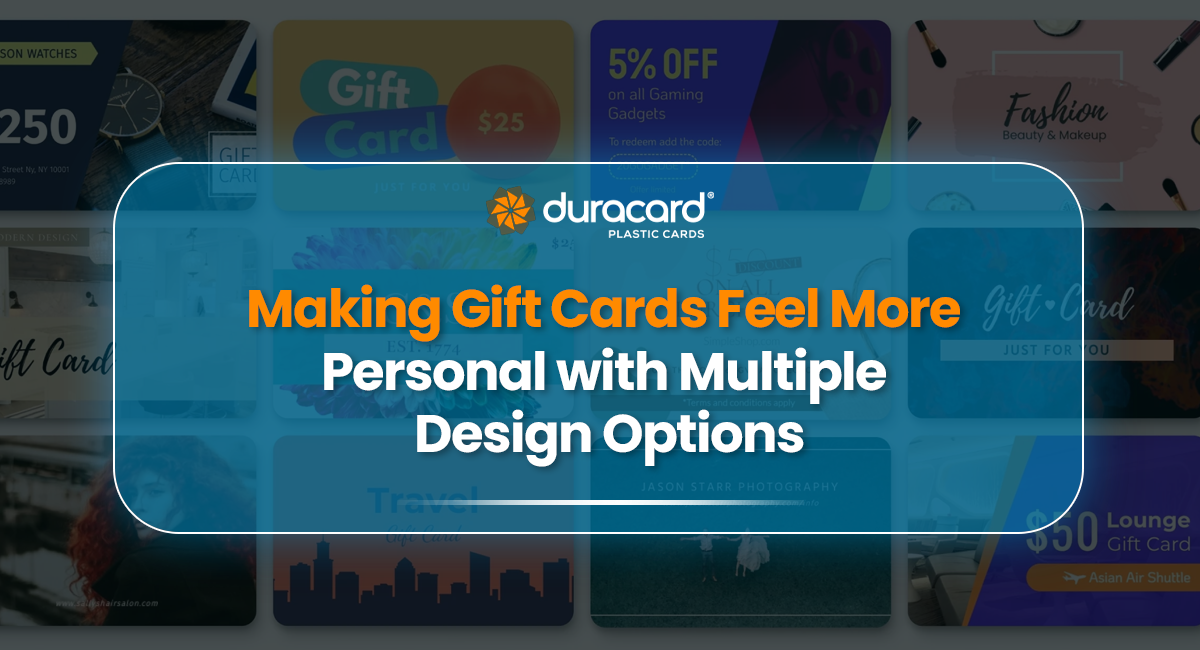
Custom Gift Cards in Multiple Designs for Small Businesses
Holiday shoppers often arrive with a list of names, and one plain logo card has to suit a niece, a coworker, and a father with different interests. When that card looks more like a store receipt than a present, many buyers choose a themed card from another shop. Offering custom gift cards in several designs gives those shoppers a card that fits the person on their list.
Most small businesses get the best results from three to five designs built around one evergreen brand card. Holiday artwork covers the winter rush, while department and occasion designs keep sales moving through the rest of the year. Quantities should follow past sales, with the largest share going to the evergreen design. The full range also needs a visible spot at the counter or in the aisle. Clear choices on design, stock, and placement help a collection sell through by January instead of ending up in storage.
How Gift Card Designs Influence Buyers and Recipients
Gift card buyers choose the card for someone else, which makes the design the first part of the gift the recipient sees. Most buyers look for artwork that matches the person, such as toys for a young child or a kitchen scene for a host who enjoys cooking. That match makes the card feel chosen with care, which drives steady demand for personalized gift cards for business in the busiest gifting months. Themed cards also hold a clear lead in buyer preference, as 63% of buyers prefer themed gift card designs over store-branded options.
The design also shapes the recipient’s first impression of the business. Holiday artwork shows the card was picked for the season, while a design showing tools or toys points the recipient toward a department to explore. Artwork tied to one department gives recipients a clear starting point and makes their first visit easier to plan.
Gift Card Design Ideas by Season, Department, and Occasion
Strong gift card design ideas start with the people who buy from the business and the reasons they give gifts. The groups below cover the most common needs for small retailers, restaurants, and service businesses.
Holiday Collection Designs
Winter holidays bring the strongest gift card demand of the year, which makes a seasonal collection the natural starting point. Popular Christmas gift card designs use simple images that buyers recognize at a glance:
- Christmas tree with lights
- Wrapped gift box with a bow
- Santa Claus or a sleigh
- Snowflakes or a winter scene
- New Year artwork for gifts given after Christmas
Including one neutral winter design keeps the collection useful for customers who celebrate other holidays. Leaving the year off the artwork also lets unsold cards return to the display next season.
Year-Round Department Designs
Department designs keep the range selling after the holidays end. Department stores can match artwork to their main sections, with tools for the hardware aisle, clothing for the apparel floor, and toys for the children’s department. Buyers then pick the card that fits the recipient’s interests.
Restaurants and cafes can follow the same idea with images of coffee, dessert, or a dinner plate. Garden centers might show flowers, tools, and outdoor furniture instead. These designs stay relevant all year, which gives them a longer shelf life than seasonal artwork.
Occasion Designs Beyond the Holidays
Gift cards sell throughout the year for personal milestones, and occasion designs help buyers find a card for the event without extra wrapping. The most useful options for small businesses include the following:
- Birthday: Balloons, cake, or confetti suit buyers of all ages and give the collection a design that sells all year long.
- Thank You: Simple floral artwork or script lettering works for teachers, coworkers, and clients, especially near the end of the school year.
- Graduation: Caps, diplomas, or school colors give buyers a ready gift during May and June.
- Mother’s Day and Father’s Day: Designs tied to these dates help shops capture two strong gifting weekends outside the winter season.
Occasion designs often outlast holiday artwork because the same events return year after year. Ordering them in smaller quantities keeps stock fresh without tying up shelf space.
Recipient-Focused Designs
Recipient-focused gift card designs work best when they speak to a type of person instead of a date. Bright, playful artwork appeals to kids and teens, while a clean design in muted colors suits professional gifts from a manager or client. Pet stores, bookstores, and sporting goods shops can also feature a hobby on the card, giving buyers confidence in the match.
Brand Elements to Keep Consistent on Gift Card Designs
Several designs should still look like one business made them. Holding a few elements fixed across the range helps customers recognize the brand and keeps checkout running smoothly.
Keep these elements the same on all designs:
- Logo in the same position
- Brand colors in the border or background
- Identical layout on the back of the card
- Clear terms and a customer service contact
- Unique card number with a matching barcode or magnetic stripe format
The back side matters most because staff scan or swipe that side at the register. Matching encoding across designs lets the point-of-sale system read a holiday card and a birthday card the same way.
Right Number of Gift Card Designs
More designs give buyers more choice, while too many split the stock and crowd the display. Most small businesses offering custom gift cards do well with three to five designs built around one evergreen brand design.
When a Larger Range Works
Businesses with high holiday traffic, several departments, or a wide customer base can support five or more designs. Department stores, busy restaurants, and gift shops often fall into this group because buyers arrive with long lists and different recipients in mind. Larger ranges also suit shops with a dedicated display rack, since the extra designs need visible space to sell.
When a Smaller Range Works
New gift card programs and shops with limited counter space usually see better results with two or three designs. Starting small shows which artwork sells before the business commits to a larger order. One evergreen design plus one or two holiday options makes a reliable first collection.
Quantity Planning for Gift Card Designs
Quantity planning protects the business from two costly outcomes. Popular designs can sell out in early December, while slow designs can fill a drawer until spring.
Holiday demand makes this planning worthwhile, since total gift card spending is expected to reach $29.1 billion for the 2025 season. Department store cards rank among the most popular types at 25%, which makes department designs a strong choice for a large share of the order.
Use this planning process to keep quantities in line with demand:
- Review last year’s gift card sales by month to estimate total demand for the season.
- Give the evergreen brand design the largest share, often around half of the order, since that design sells all year.
- Split the holiday share across the seasonal designs, with the strongest seller receiving the most cards.
- Order smaller runs of occasion and recipient designs, then reorder the ones that sell.
- Assign separate card number ranges by design, allowing sales reports to show which artwork sells best.
- Place the holiday order by early fall, leaving time for proofing, printing, and delivery before Black Friday.
Separate number ranges turn the first season into useful data for the next order. After one holiday cycle, the sales reports show which designs to expand and which to retire.
Tracking sales by design starts at the printing stage, since we encode the number ranges into the cards before they ship. Tell our team at Duracard the designs you plan to carry this season, and we will print custom gift cards with separate number ranges by design. Our encoding works with over 200 POS systems, letting your sales reports show the best-selling artwork from the first week.
Gift Card Display Ideas for Multiple Designs
Buyers can only choose a design they can see, which makes gift card display planning as important as the artwork. The right placement depends on store layout and the type of shopper the business serves.
Checkout Counter Display
The checkout counter reaches the largest share of shoppers because almost all customers pass it before leaving. Small countertop stands work well here when they show one sample of all designs, letting last-minute shoppers add a card while paying. Placing the evergreen design in front and holiday artwork beside it keeps the stand easy to scan.
Display Rack Gift Cards in the Aisle
Aisle racks give larger ranges the space they need and place gift cards near related products. Strong aisle placements include the following:
- Toy aisle for toy designs
- Kitchen or home section for cooking designs
- Seasonal decor area for holiday designs
- Store entrance during November and December
Rack cards usually hang on printed backers, which give room for activation instructions and terms. Keeping rack cards unloaded until activation at the register protects the business from theft.
Seasonal Rotation
Display space should follow the calendar. Holiday designs belong at the front from early November through December, and birthday or Valentine’s Day designs can take that spot in January. Moving the evergreen design forward during slower months keeps the display current without new artwork.
Sample Cards and Signage
Sample cards let buyers handle the full range without access to loaded stock. Simple signage near the register noting that gift cards come in several designs prompts shoppers who might not ask.
Common Mistakes With Multiple Gift Card Designs
Most problems with multi-design programs come from planning gaps instead of the artwork itself. Watch for these common mistakes:
- Too Many Designs: A range larger than the display can show leaves some cards hidden, which splits sales without adding new buyers.
- Dated Holiday Artwork: Printing the year on a Christmas design turns unsold cards into waste once January arrives.
- Uneven Back Layouts: Moving the barcode or terms between designs slows staff at checkout and causes scanning errors.
- Equal Quantities for All Designs: Ordering the same number of cards in all designs ignores demand, leaving best sellers short and slow designs in storage.
- Late Holiday Orders: Ordering in late November leaves little time for proofs and printing before peak shopping days.
Most of these mistakes show up as leftover stock or missed sales. Correcting them before the next order keeps the collection simple to manage.
FAQs
How many gift card designs should a small business offer?
Most small businesses do well with three to five designs. One evergreen brand design should lead the range, with two to four seasonal or occasion designs added around it based on store traffic and display space.
Do gift card designs affect sales?
Yes. Buyers choose a gift card for another person, and a design that matches the recipient or the occasion makes the card feel like a planned gift. Themed designs also help a business compete with stores offering only branded cards.
The Bottom Line
A gift card is often the first part of a present the recipient sees, and the right design shows the buyer chose with care. Holiday, department, and occasion designs give shoppers options that fit, while one evergreen brand card keeps the business visible all year. Careful quantities, matching back layouts, and clear placement then turn custom gift cards into steady sales long after December.
Building a multi-design collection is simpler when the artwork and the printing come from one place. At Duracard, our online designer lets you create holiday, department, and occasion designs side by side or upload your own artwork, and we print the full range in full color on durable PVC. Smaller runs suit occasion and recipient designs, letting you test new artwork before committing to a larger order.
Start your collection with DuraCard and give shoppers a gift card that fits the person on their list.







Add comment